The Association of Southeast Asian Cinemas Conference (ASEACC) emerged from a foundational gathering organised by Dr. Gaik Cheng Khoo during her postdoctoral fellowship at the Asia Research Institute at the National University of Singapore (NUS) in 2004. Fuelled by considerable support and enthusiasm among attending scholars, regional film archivists, activists, and critics, this initial meeting blossomed into an annual conference that dynamically rotated across the region. Early host cities included Bangkok in 2005, Kuala Lumpur in 2006, Jakarta in 2007, and Manila in 2008. Eventually transitioning to a biennial format to accommodate a growing scale and deeper academic engagement, ASEACC has since been hosted in Ho Chi Minh City (2010), Singapore (2012), Salaya (2014), Kuala Lumpur (2016), Yogyakarta (2018), and Los Baños (2023), with its highly anticipated 12th iteration slated for Chiang Mai, Thailand, in 2025.
The primary purpose of the conference was to formalise the study of filmmaking and cinema in the region as a rigorous academic endeavour during a highly transitional era. In the late 1990s—particularly following the 1997 Asian Financial Crisis—many established national film industries in Southeast Asia were facing severe economic decline and structural collapse. However, this period of institutional decay simultaneously paved the way for a radical renewal, spurred heavily by the introduction and democratization of digital media. ASEACC positioned itself at this critical juncture, analyzing how digital accessibility empowered a new generation of creators to bypass traditional studio constraints and redefine the region’s cinematic landscape.
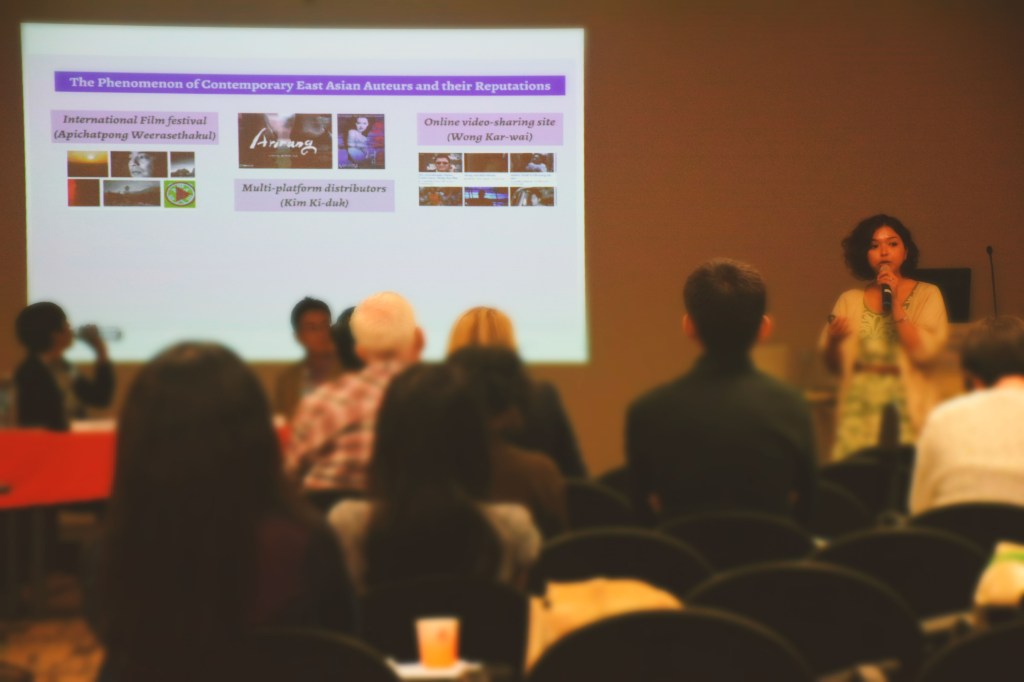
Over the ensuing decades, ASEACC has attracted consistent and growing interest from international academics writing on Southeast Asian cinema, perfectly mirroring the global rise of the region’s auteurs. Just as scholars began deeply investigating these narratives, independent filmmakers from the Philippines, Thailand, Indonesia, Malaysia, and Singapore started heavily screening their works and winning prestigious awards at major international film festivals overseas. Prominent regional directors—such as the Philippines’ Lav Diaz, Indonesia’s Garin Nugroho, and Singapore’s Boo Junfeng—have frequently crossed paths with the conference’s sphere of influence, illustrating a symbiotic relationship where regional artistry and academic critical analysis elevate one another on the world stage.
The academic themes explored at ASEACC have been as diverse and complex as the region itself, historically encompassing independent filmmaking, gender and sexuality, censorship regimes, archival challenges, and genre studies. Rather than remaining static, the conference actively adapts to the pressing issues of its time. For example, the 2016 edition in Kuala Lumpur centered on “Time, Space, and the Visceral in Southeast Asian Cinema,” while the upcoming 2025 Chiang Mai conference focuses on “Sustainable futures: ecologies, kinships, and communities,” inviting discourse on environmental humanities, posthumanism, and human-nonhuman relations on screen. These evolving frameworks ensure that the conference remains at the cutting edge of global film theory.
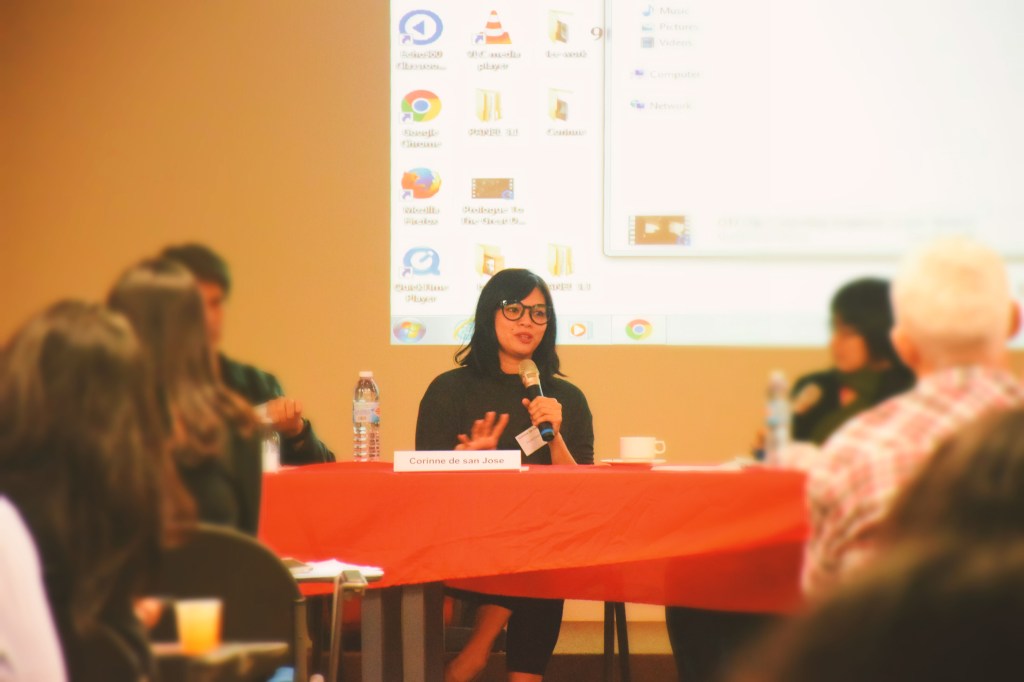
Ultimately, the defining ethos of ASEACC is its unwavering belief in the inter-related nature of theory and practice. The conference actively dismantles the traditional boundaries between those who study film and those who actually make it. Consequently, the program consistently features not only academic paper presentations but also curated screenings, interactive panels, and hands-on workshops led by invited film practitioners from across the region. By regularly bringing together filmmakers, producers, film critics, archivists, and programmers, ASEACC fosters a rich, collaborative ecosystem that sustains and propels the vibrant culture of Southeast Asian cinema forward.

